Call for Applications for the elective course “Hidden Harmonies, Meaning, and Power in Women Composers’ Works”
Applications are now open for the elective course Hidden Harmonies, Meaning, and Power in Women Composers’ Works, which will be offered from the winter semester of 2026 as part of the IN.TUNE alliance, in collaboration between the Faculty of Music in Belgrade and the University of Music and Performing Arts Vienna (mdw).
The course is intended for Bachelor’s students from the second year onwards, as well as Master’s and PhD students. In the future, students from other universities within the IN.TUNE alliance may also have the opportunity to participate.
For more information about the application process and course requirements, please contact the FMU Student Services Office.
Through music theory, analysis, listening, and discussion, the course provides an opportunity to explore works by women composers and to reflect on how musical canons are formed. Particular attention will be given to how theoretical concepts and analytical language can influence the visibility of particular repertoires and perspectives. Students will explore harmony, modulation, tonal relationships, form, and musical meaning, as well as different approaches to listening to and interpreting music. The distinctive feature of the course lies in its combination of project-based learning, gender-sensitive music theory, and international academic exchange.
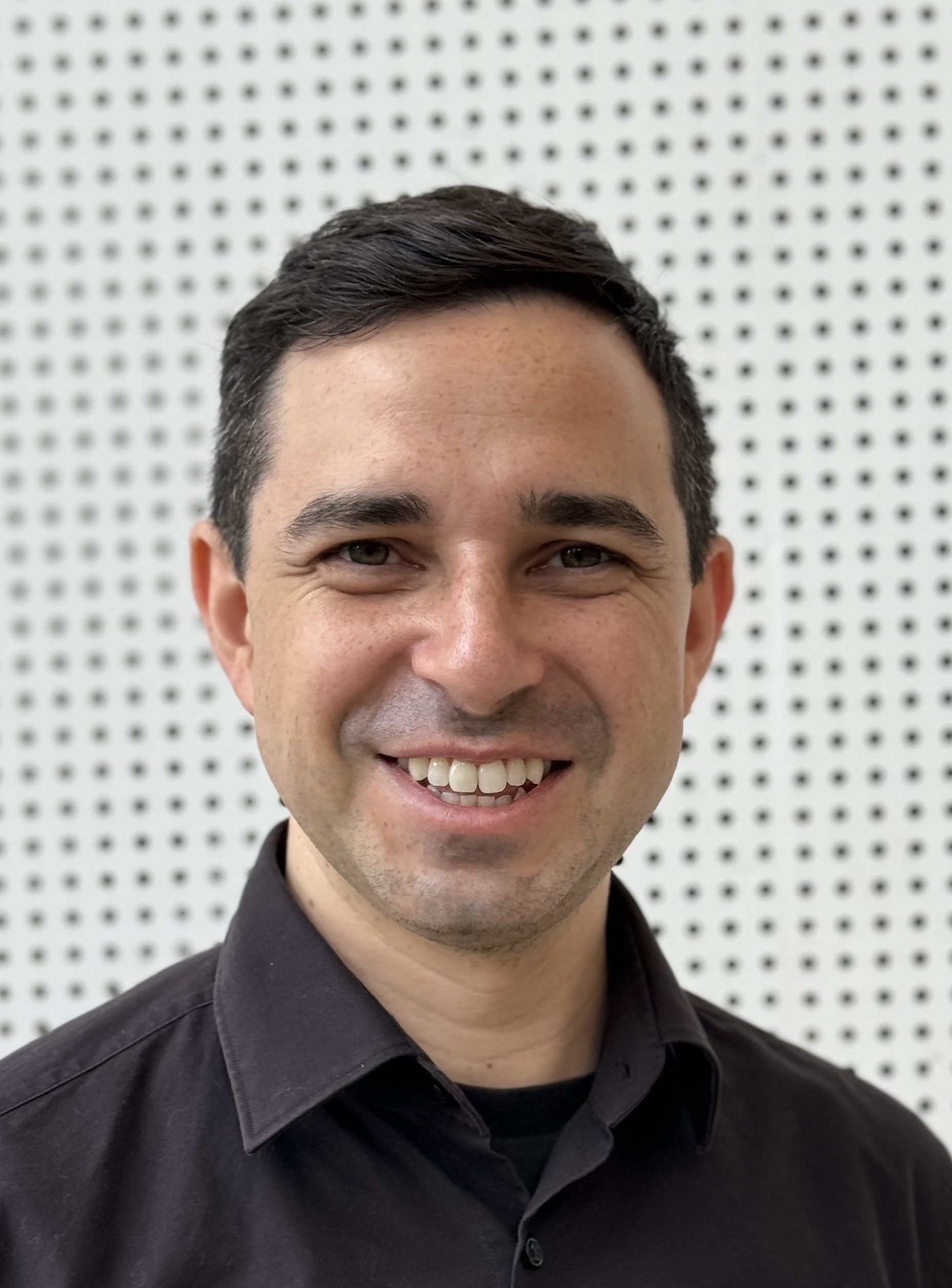
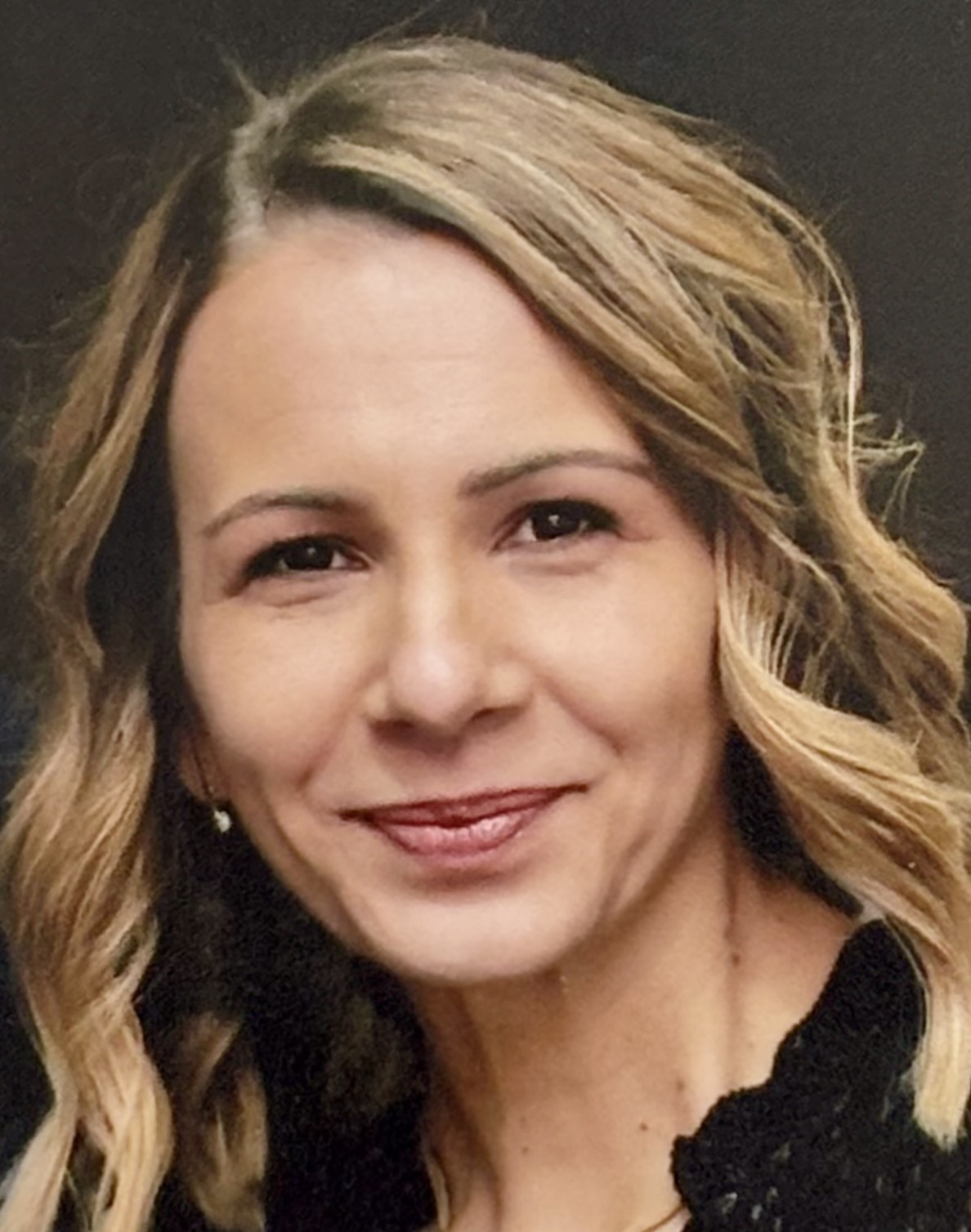
The course was developed by Michael Pinkas, MA, from mdw, and Marko Aleksić, PhD, and Ivana Ilić, PhD, from UAB, within the framework of the IN.TUNE alliance. This collaboration brings together different teaching experiences and institutional contexts, while also creating opportunities for the further development of joint educational initiatives.
The course aims to enable students to discover new repertoires, sources, and analytical perspectives, while encouraging them to critically reflect on established ways of talking about music and its history.
How did the course come about, what does it offer students, and what do the teachers expect from this international collaboration?
Read the interview with the teachers HERE.